
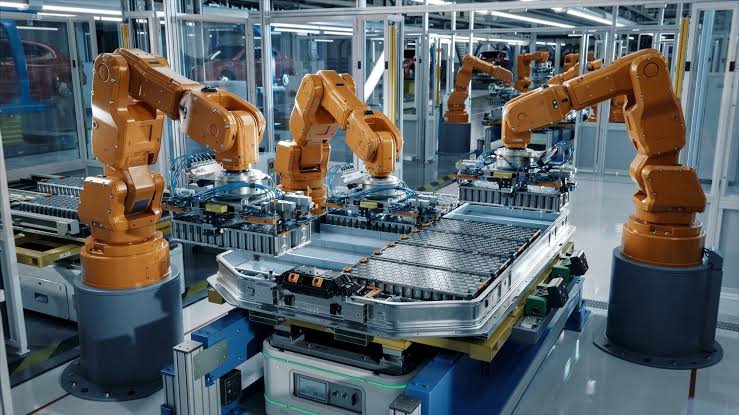
Robotics and Automation Technology for Smart Manufacturing in India
India's manufacturing industry is changing a lot. Higher wages, stricter quality rules, and more competition are pushing factories to rethink how they make things. At the center of this shift are robotics and automation technology that used to be only for big companies but is now available to smaller and mid‑sized businesses across the country. From car parts to medicine, from packaging to devices, using robots to make things is becoming the standard instead of a special advantage.
This article looks at how robots and automation are changing Indian manufacturing, why this change is important now, and what companies need to know before trying these new tools.
What Is Smart Manufacturing?
Smart manufacturing is about production systems that use machines, sensors, software, and more and more robots to make factories better at what they do. Unlike ways of making things which rely a lot on people doing the same things over and over, smart manufacturing can change quickly, find problems early, and reduce wasted time that hurts profits.
Robots are part of this idea. While software and sensors give the brain, robotic arms, moving vehicles, and special machines give the power — doing tasks that are repeated, exact, or dangerous faster and more reliably than people can.
Why Are Robotics and Automation Becoming Common in India?
Several things are making companies want to use robots.
- Availability of Workers :- Skilled workers who can run machines are harder to find and keep in areas where many factories want the same people.
- Expectations from Buyers :- Companies that send products to other countries need to meet high standards that manual processes can't always reach.
- Lower Prices for Tech :- Robots, cameras, and other tools that cost a lot before are now cheaper and available to companies.
- Government Support for Manufacturing :- Programs that help companies and encourage making things in India have pushed factories to update their lines to stay competitive.
- Faster Return on Investment :- Less work to fix mistakes and waste, and more products made means that robots can pay for themselves faster than expected, especially when making lots of things.
Where Robots Are Making the Difference
- Moving parts from one place to another — robots move items between stations without making mistakes due to fatigue.
- Welding and building things — robots make sure each weld and part is exactly right, which is hard to do with people over long hours.
- Checking quality — cameras spot problems that people might miss, especially when things are moving fast.
- Packing and stacking boxes — machines handle the end‑of‑line jobs, letting workers do more important tasks.
- Special machines — built tools made for one specific job, needed in parts of manufacturing where a regular robot won't work.
Why Pune Is Becoming a Center for Automation in Manufacturing
The Pune area, including Chakan, Bhosari, Hinjawadi, and Bhor, has always been home to car, engineering, and precision manufacturing companies. This mix of industries created a need for automation help. Now, many automation and robotics companies in Pune specialize in making custom machines, robot setups, and full production lines made for factories.
There is one company in Pune that works directly with manufacturers to create custom automation and special machines, helping factories in the Pune‑Bhor area move toward automated and steady ways of making products. This kind of knowledge is important — automation projects usually need a lot of teamwork between the factory and the automation company during planning, setting up, and testing. That's easier when the team is close by and knows the supply chains and workers.
In general, when companies look for a robot and automation company in India, being close and quick to respond matters much more than being good at the job. A partner who can visit the factory, make changes fast, and help after the setup usually gives better results than a faraway company that works only through emails.
Frequently Asked Questions
What is the difference between robotics and automation in manufacturing?
Automation is any technology that does tasks with help from people, including things like computers and moving parts. Robotics is a part of automation that uses robots to do tasks, like welding, picking, or putting things together.
Is robotics automation affordable for mid‑sized manufacturers in India?
Yes. Prices have gone down a lot in the last ten years, and many companies now offer smaller solutions. That lets small companies start with one part of their work instead of changing everything at once.
How do I choose the automation and robotics company in Pune or elsewhere in India?
Look for a company that has experience in your type of business, has done work before, can make parts themselves, and can help after the setup — not just during the start.
Will robots take away jobs from workers in India?
Automation usually changes the work, not removes it. Jobs that are repeated or dangerous go to machines, while workers move to roles that need checking, improving processes, and making decisions — jobs that still need people.
What industries in India are using robots and automation?
Car parts, big machines, medicine, packing, and electronics are the fastest to use robots because they make a lot and need high quality for both local and foreign buyers.
How long does it take to get a return on a robot investment?
It depends on the job. Many companies say they get their money back in 12 to 30 months, depending on how much they make, how much they save on workers, and how much they save on fixing mistakes.